 Call Us : 08045813582Call Us : 08045813582
 English
 Spanish
 French
 German
 Italian
 Chinese (Simplified)
 Japanese
 Korean
 Arabic
 Portuguese


 Send Inquiry
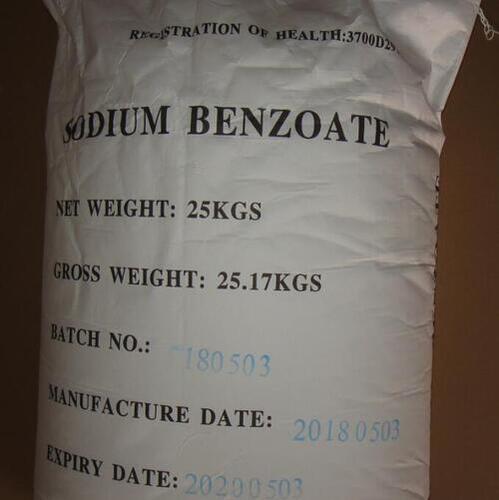
Sodium Benzoate
Price 124 INR/ Kilograms
MOQ : 25 Kilograms
Sodium Benzoate Specification
- Grade
- Food Grade, Industrial Grade
- Molecular Weight
- 144.11 g/mol Grams (g)
- Melting Point
- 300 C (decomposes)
- Ingredients
- Sodium Benzoate
- Taste
- Slightly sweet, astringent
- HS Code
- 29163140
- Product Type
- Chemical
- Shape
- Granular or powder
- Structural Formula
- C6H5COONa
- Usage
- Used as preservative (E211), antifungal agent, corrosion inhibitor
- Shelf Life
- 2 years Years
- Solubility
- Soluble in water (63.0 g/100 mL at 20 C)
- Purity
- 99%
- Density
- 1.44 Gram per cubic centimeter(g/cm3)
- Properties
- White crystalline powder, odorless or with a faint benzoin odor, stable under ordinary conditions
- EINECS No
- 208-534-8
- Smell
- Odorless or slight benzoin odor
- CAS No
- 532-32-1
- Storage
- Store in a cool, dry, ventilated area away from sources of heat and moisture
- Ph Level
- 7.08.5 (10% aqueous solution)
- Application
- Food preservative, pharmaceutical, cosmetics, personal care, industrial uses
- Appearance
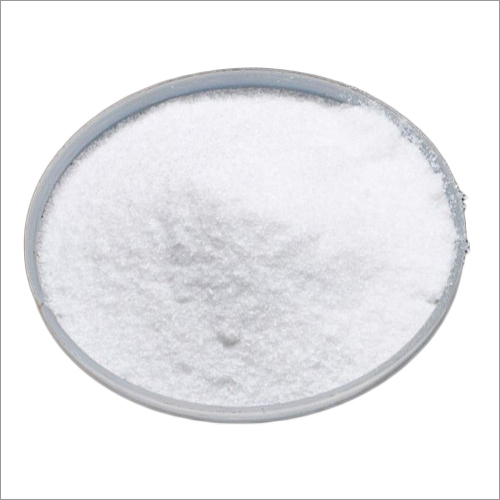
- White crystalline powder
- Molecular Formula
- C7H5NaO2
- Physical Form
- Powder
- Compatibility
- Compatible with most inorganic and organic materials
- Odor Threshold
- Not detectable
- pKa
- 4.2 (of benzoic acid)
- Vapor Pressure
- Negligible at room temperature
- Regulatory Status
- Approved for use as food additive (E211)
- Packing
- 25 kg or 50 kg fiber drum/bag
- Toxicity
- Generally recognized as safe (GRAS) by FDA at recommended doses
Sodium Benzoate Trade Information
- Minimum Order Quantity
- 25 Kilograms
- Delivery Time
- 2 Days
- Packaging Details
- 25 KG BAGS
- Main Domestic Market
- All India
About Sodium Benzoate
Sodium benzoate is a preservative added to some sodas, packaged foods, and personal care products to prolong shelf life
Product details
|
Grade |
FOOD GRADE |
|
Packaging Type |
BAG |
|
Packaging Size |
25 KG |
|
Form |
Powder |
|
Purity |
FOOD GRADE |
|
Brand |
AFFORD |
Applications of Sodium Benzoate
Sodium Benzoate is extensively used as a preservative in the food industry, labeled as E211, for extending shelf life by inhibiting the growth of bacteria, yeast, and fungi. Beyond food, it finds roles in pharmaceuticals as an antifungal and as a corrosion inhibitor in industrial applications. Its compatibility with a broad range of materials enhances its versatility across multiple sectors. This additive is also widely utilized in cosmetics and personal care products to maintain product stability.
Product Features and Handling
Characterized by a white, crystalline appearance with a slightly sweet and astringent taste, Sodium Benzoate is supplied in granular or powdered form. It boasts a high purity (99%) and is stable under normal environmental conditions. For optimal preservation of its quality, the product should be stored away from heat and moisture in a cool, dry, and ventilated area. Each batch is packed securely in fiber drums or bags, ensuring safe transport and storage.
Safe Usage and Regulatory Status
Recognized as non-poisonous and generally safe when used at recommended levels, Sodium Benzoate's regulatory approval (E211) extends across food, pharmaceutical, and personal care industries. Its use is strictly monitored to remain within permissible limits. The product is approved by major regulatory authorities, including the FDA, for use as a food additive, ensuring consumer safety when instructions are followed.
FAQ's of SODIUM BENZOATE:
Q: How is Sodium Benzoate used as a preservative in food products?
A: Sodium Benzoate is added to food products to prevent the growth of bacteria, yeast, and fungi. As a preservative, it maintains product freshness and extends shelf life, especially in acidic foods, sauces, beverages, and condiments. It is used within the recommended dosage limits established by regulatory bodies such as the FDA.Q: What is the recommended storage process for Sodium Benzoate?
A: To ensure Sodium Benzoate remains effective, it should be stored in a cool, dry, and well-ventilated area, away from heat and moisture. Keeping the product sealed in its original fiber drum or bag packaging prevents contamination and moisture absorption, supporting the full 2-year shelf life.Q: Where can Sodium Benzoate be applied besides food preservation?
A: While most commonly used as a food preservative (E211), Sodium Benzoate also finds applications in pharmaceuticals (as an antifungal), cosmetics, personal care products, and industrial processes (such as a corrosion inhibitor). Its compatibility with both organic and inorganic substances broadens its range of uses.Q: What are the benefits of using Sodium Benzoate in manufacturing processes?
A: Utilizing Sodium Benzoate benefits manufacturers by enhancing product stability, prolonging shelf life, and providing reliable antimicrobial protection. Its white, odorless, and water-soluble nature ensures it integrates smoothly with other ingredients in production, without altering product appearance or flavor significantly.Q: When should Sodium Benzoate be avoided during formulation?
A: Sodium Benzoate is generally safe when used within regulatory limits. However, it should be avoided in products intended for environments or formulations where interactions with certain strong acids or incompatible substances may occur, or if a product specifically calls for preservative-free status.Q: How does the pH level affect the effectiveness of Sodium Benzoate?
A: Sodium Benzoate is most effective as a preservative in acidic environments, ideally at pH levels below 7. Its antimicrobial activity increases as the acidity rises, making it particularly suitable for foods and beverages with low pH such as fruit juices and pickles.Technical Details 
Tell us about your requirement

Price:
Quantity
Select Unit
- 50
- 100
- 200
- 250
- 500
- 1000+
Additional detail
Mobile number
Email

More Products in Industrial Chemical Powder Category
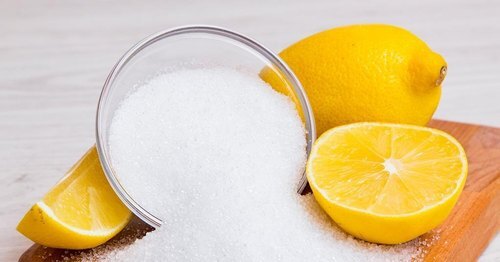
Citric Acid Anhydrous Powder
Price 80 INR / Kilograms
Minimum Order Quantity : 25 Kilograms
Application : food
Shelf Life : 60 Months
Purity : 99%
Appearance : White crystalline powder
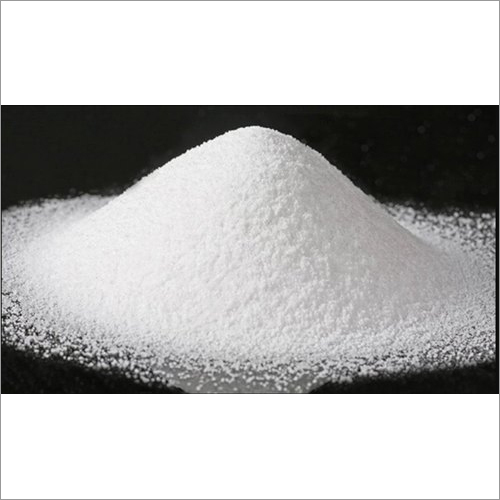
Zinc Oxide Powder
Price 225 INR / Kilograms
Minimum Order Quantity : 25 Kilograms
Application : Industrial
Shelf Life : 12 to 24 Months
Purity : 99.5%
Appearance : White, odorless powder
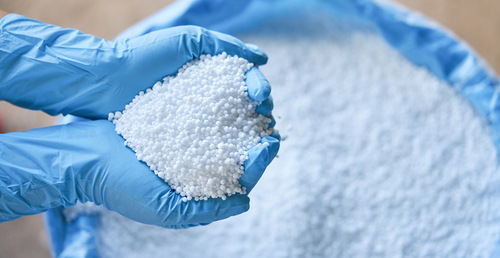
Urea Powder
Price 46 INR / Kilograms
Minimum Order Quantity : 45 Kilograms
Application : Industrial
Shelf Life : 12 to 24 Months
Purity : >99%
Appearance : White crystalline powder
Borax Powder
Price 49 INR / Kilograms
Minimum Order Quantity : 50 Kilograms
Application : Industrial
Shelf Life : 12 to 24 Months
Purity : 99%
Appearance : White crystalline powder

Address
AFFORD CHEMICAL AND PHARMA INDUSTRIES
GST : 24ABWFA9122C1ZH
GST : 24ABWFA9122C1ZH
- Plot No. 3, Block No. 51, Mazada Gali, Pipodara, Mangrol,Surat - 394110, Gujarat, India
- Phone :08045813582
-
 Send Inquiry
 Send Inquiry
 Send Inquiry
 Send SMS
 |
AFFORD CHEMICAL AND PHARMA INDUSTRIES
All Rights Reserved.(Terms of Use) Developed and Managed by Infocom Network Private Limited. |
