 Call Us : 08045813582Call Us : 08045813582
 English
 Spanish
 French
 German
 Italian
 Chinese (Simplified)
 Japanese
 Korean
 Arabic
 Portuguese

 Send Inquiry
SODIUM HYDROSULPHITE
Price 115 INR/ Kilograms
MOQ : 100 Kilograms
SODIUM HYDROSULPHITE Specification
- Ph Level
- 9 - 11 (1% solution)
- Product Type
- Chemical Compound
- Density
- 2.19 Gram per cubic centimeter(g/cm3)
- Storage
- Store in cool, dry place away from moisture, heat and direct sunlight, keep container tightly closed.
- Structural Formula
- S(SO2Na)2
- Smell
- Slight sulfur-like odor
- Application
- Mainly used as a reducing agent in various industries such as textile, paper, leather, and as a bleaching, stripping, and desulfurizing agent.
- Usage
- Used for vat dyeing, removing colors, bleaching textiles and paper pulp, sulfonating agents, water treatment, and chemical synthesis.
- Molecular Weight
- 174.11 g/mol
- Molecular Formula
- Na2S2O4
- EINECS No
- 231-890-0
- Melting Point
- Not defined (decomposes below melting)
- Solubility
- Soluble in water, insoluble in alcohol
- Shape
- Crystalline Powder
- Appearance
- White to grayish crystalline powder
- Properties
- Strong reducing agent, easily soluble in water, decomposes in hot water and in acidic or alkaline solutions, releases sulfur dioxide upon decomposition.
- Poisonous
- Yes, toxic if ingested or inhaled
- Physical Form
- Powder
- Shelf Life
- 12 months under recommended storage conditions
- CAS No
- 7775-14-6
- Grade
- Industrial Grade
- Ingredients
- Sodium Hydrosulphite (Na2S2O4)
- Purity
- 85% - 90%
- HS Code
- 28311020
- Stability
- Stable under recommended storage condition, but decomposes in presence of moisture and heat
- Packaging
- Packed in HDPE bags with inner liner, 25 kg net each
- pH (1% solution)
- 9.0 - 11.0
- First Aid Measures
- In case of contact, rinse immediately with plenty of water, seek medical advice if necessary.
- UN Number
- UN 1384
- Compatibility
- Incompatible with acids, oxidizing agents, and moisture
- Dangerous Goods Class
- 4.2 (Substances liable to spontaneous combustion)
- Particle Size
- Fine powder
- Decomposition Temperature
- Above 52°C (decomposes before melting)
- Ecological Information
- Hazardous to aquatic environments, avoid release to surroundings.
- Odour Threshold
- Not determined
- Handling Precautions
- Wear suitable protective clothing, gloves, and eye/face protection
- Exposure Limits
- TLV not established, avoid exposure
- Packing Group
- II
SODIUM HYDROSULPHITE Trade Information
- Minimum Order Quantity
- 100 Kilograms
- Delivery Time
- 2 Days
- Packaging Details
- 100 SS DRUM
- Main Domestic Market
- All India
About SODIUM HYDROSULPHITE
Chemical Formula: Na2S2O4, Powder Sodium dithionite Description Sodium dithionite is a white crystalline powder with a weak sulfurous odor. Although it is stable in dry air, it decomposes in hot water and in acid solutions. Formula: NaS204 Molar mass: 174.107 g/mol Density: 2.38 g/cm. Boiling point: Decomposes Solubility: slightly soluble in alcohol Melting point: 52 C (126 F, 325 K) Appearance: white to grayish crystalline powder, light lemon colored flakes Uses SRI. Oxygen scavenger for synthetic rubbers; vat dyeing of fibers and textiles; stripping agent for dyes; reagent; bleaching of sugar, soap, oils, and groundwood.
Product details
|
Chemical Formula |
Na2S2O4 |
|
Color |
White |
|
Melting Point |
52 Degree Celcius |
|
Molar Mass |
174.107 g/mol |
|
Grade Standard |
Industrial Grade |
|
Purity |
99 % |
|
Form |
Powder |
Versatile Applications Across Industries
Sodium Hydrosulphite serves a central role in textile, paper, and leather processing, functioning primarily as a potent reducing and bleaching agent. Its strong reduction capability makes it ideal for vat dyeing, color removal, and desulfurizing operations. Thanks to its solubility and fast reactivity, it streamlines chemical processes in manufacturing, water treatment, and even chemical synthesis, offering broad utility in industrial settings.
Safety, Storage, and Handling Considerations
Given its sensitivity to heat, moisture, and oxidizing agents, Sodium Hydrosulphite requires cool, dry, and well-ventilated storage away from incompatible substances. Direct contact should be avoided by wearing appropriate protective gear. It is toxic if swallowed or inhaled and hazardous to aquatic environments, so meticulous handling and environmental precautions are necessary to ensure worker and environmental safety.
FAQ's of SODIUM HYDROSULPHITE:
Q: How should Sodium Hydrosulphite be safely stored and handled?
A: Sodium Hydrosulphite must be stored in a cool, dry place away from heat, direct sunlight, moisture, acids, and oxidizing agents. Use the original HDPE packaging with the inner liner sealed. Always wear protective clothing, gloves, and eye or face protection when handling, and keep containers tightly closed to ensure product stability and safety.Q: What are the primary industrial applications of Sodium Hydrosulphite?
A: This compound is commonly used for vat dyeing, color removal, bleaching textiles and paper pulp, water treatment, and chemical synthesis. Its strong reducing ability makes it especially valuable in textile, paper, and leather industries as a bleaching, stripping, and desulfurizing agent.Q: When does Sodium Hydrosulphite decompose and what are the risks?
A: Sodium Hydrosulphite decomposes above 52C and in the presence of moisture, releasing sulfur dioxide, which can be hazardous. Decomposition can also occur in acidic or alkaline solutions, so it is crucial to monitor environmental conditions during storage and use.Q: Where should Sodium Hydrosulphite not be used or stored?
A: Avoid using or storing Sodium Hydrosulphite near sources of moisture, heat, acids, and oxidizing agents. It is incompatible with these substances and can spontaneously combust or decompose, presenting serious safety risks.Q: What first aid measures should be taken if exposure occurs?
A: In case of contact with the skin or eyes, immediately rinse with plenty of water and seek medical attention if irritation persists. If ingested or inhaled, move the person to fresh air and consult a healthcare professional promptly, as the substance is toxic.Q: How does Sodium Hydrosulphite benefit industrial operations?
A: By providing strong and rapid reduction action, Sodium Hydrosulphite increases process efficiency in bleaching, dyeing, and desulfurizing applications. This leads to improved product quality and lower processing times in sectors such as textiles and pulp & paper.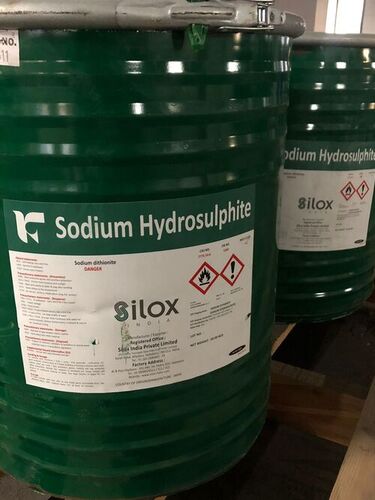
Tell us about your requirement

Price:
Quantity
Select Unit
- 50
- 100
- 200
- 250
- 500
- 1000+
Additional detail
Mobile number
Email

More Products in Industrial Liquid Chemical Category
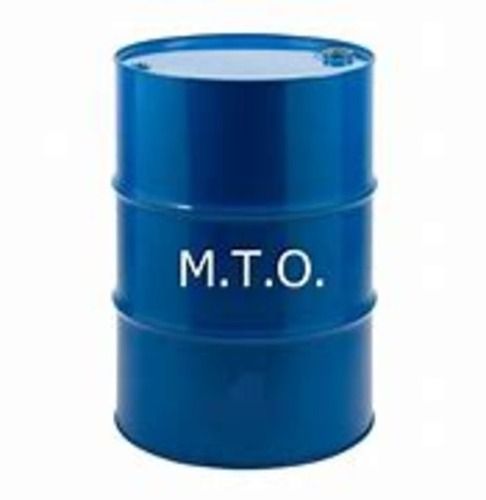
MINERAL TURPENTINE OIL-MTO
Price 59 INR / Kilograms
Minimum Order Quantity : 200 Kilograms
Appearance : Clear, colorless transparent liquid
Grade : Industrial
Storage : Other, Store in cool, ventilated area, keep container tightly closed
Molecular Formula : C9H20 to C12H26 (mixture)
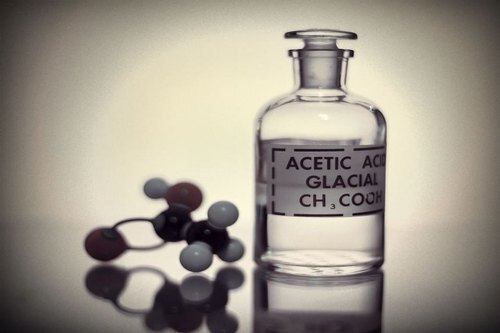
Acetic Acid
Price 59 INR / Kilograms
Minimum Order Quantity : 30 Kilograms
Appearance : Clear, colorless liquid.
Grade : Technical Grade
Storage : Room Temperature
Molecular Formula : CH3COOH
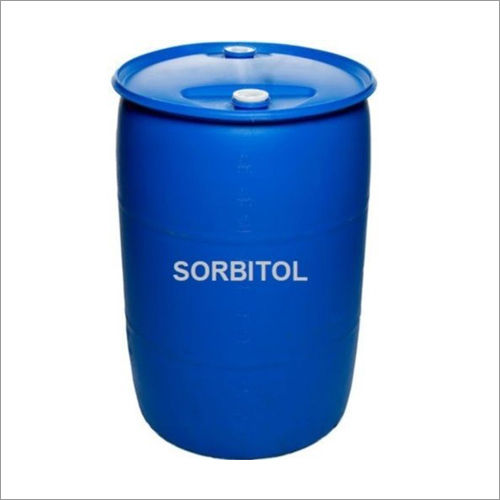
Sorbitol Liquid Solution
Price 46 INR / Kilograms
Minimum Order Quantity : 300 Kilograms
Appearance : Clear, colorless syrup/liquid
Grade : Food Grade, Industrial Grade
Storage : Room Temperature
Molecular Formula : C6H14O6
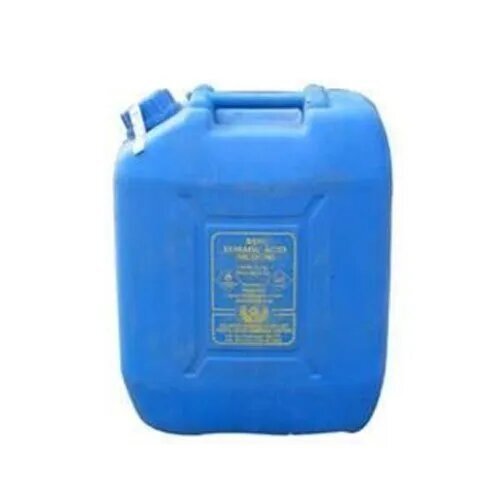
Formic Acid
Price 63 INR / Kilograms
Minimum Order Quantity : 35 Kilograms
Appearance : Clear, colorless liquid
Grade : Industrial Grade
Storage : Room Temperature
Molecular Formula : CH2O2

Address
AFFORD CHEMICAL AND PHARMA INDUSTRIES
GST : 24ABWFA9122C1ZH
GST : 24ABWFA9122C1ZH
- Plot No. 3, Block No. 51, Mazada Gali, Pipodara, Mangrol,Surat - 394110, Gujarat, India
- Phone :08045813582
-
 Send Inquiry
 Send Inquiry
 Send Inquiry
 Send SMS
 |
AFFORD CHEMICAL AND PHARMA INDUSTRIES
All Rights Reserved.(Terms of Use) Developed and Managed by Infocom Network Private Limited. |
